You're probably here because “virtual assistant” sounds promising, but also vague.
Maybe you're in Bogotá, Lima, Johannesburg, or another city where remote work could open better options than your local market. You've handled calendars, customer messages, spreadsheets, follow-ups, or admin tasks before. You can already keep people organized. What you're trying to figure out is whether that experience counts as virtual assistant work, and whether it can lead to a real remote career.
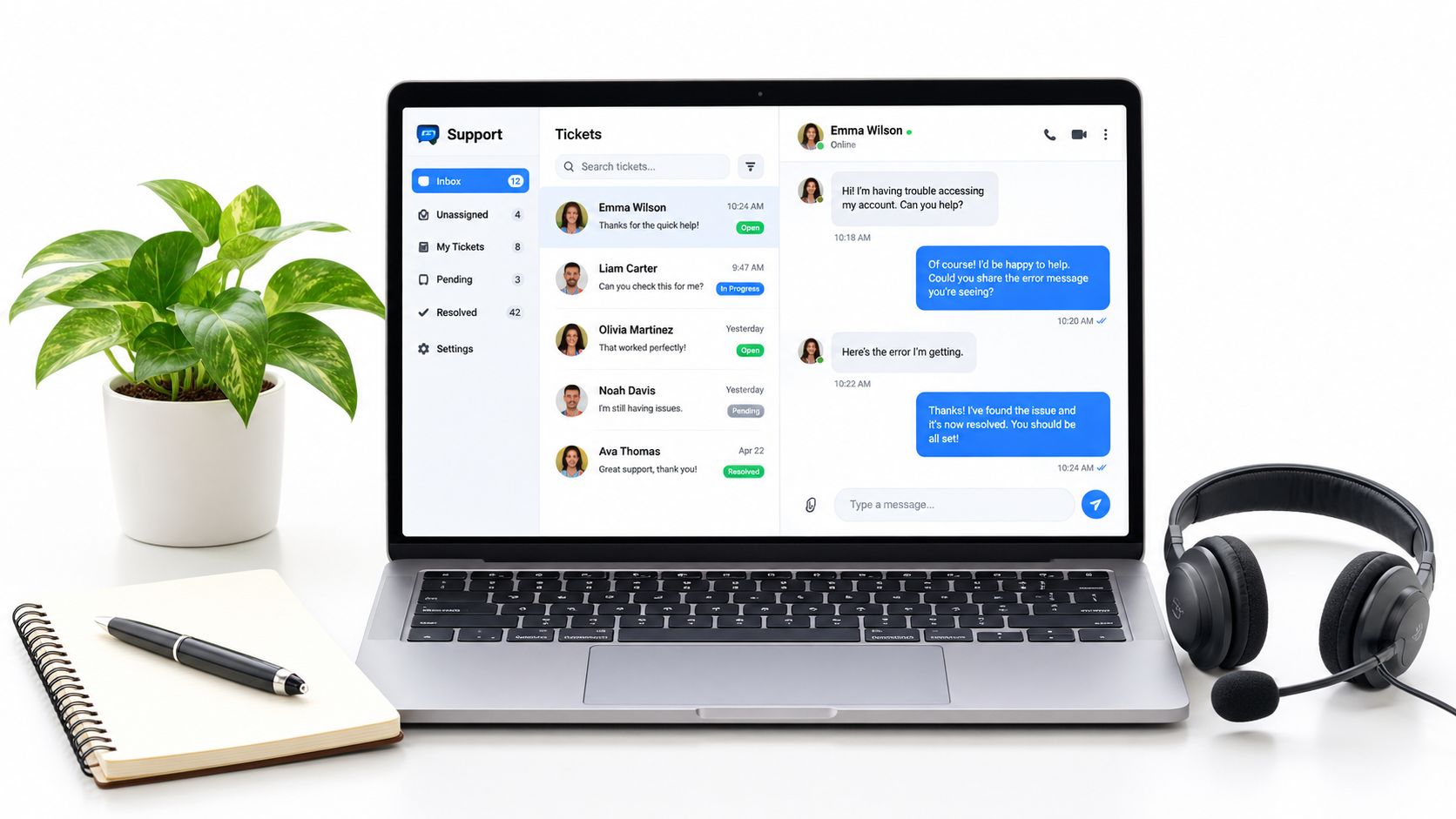
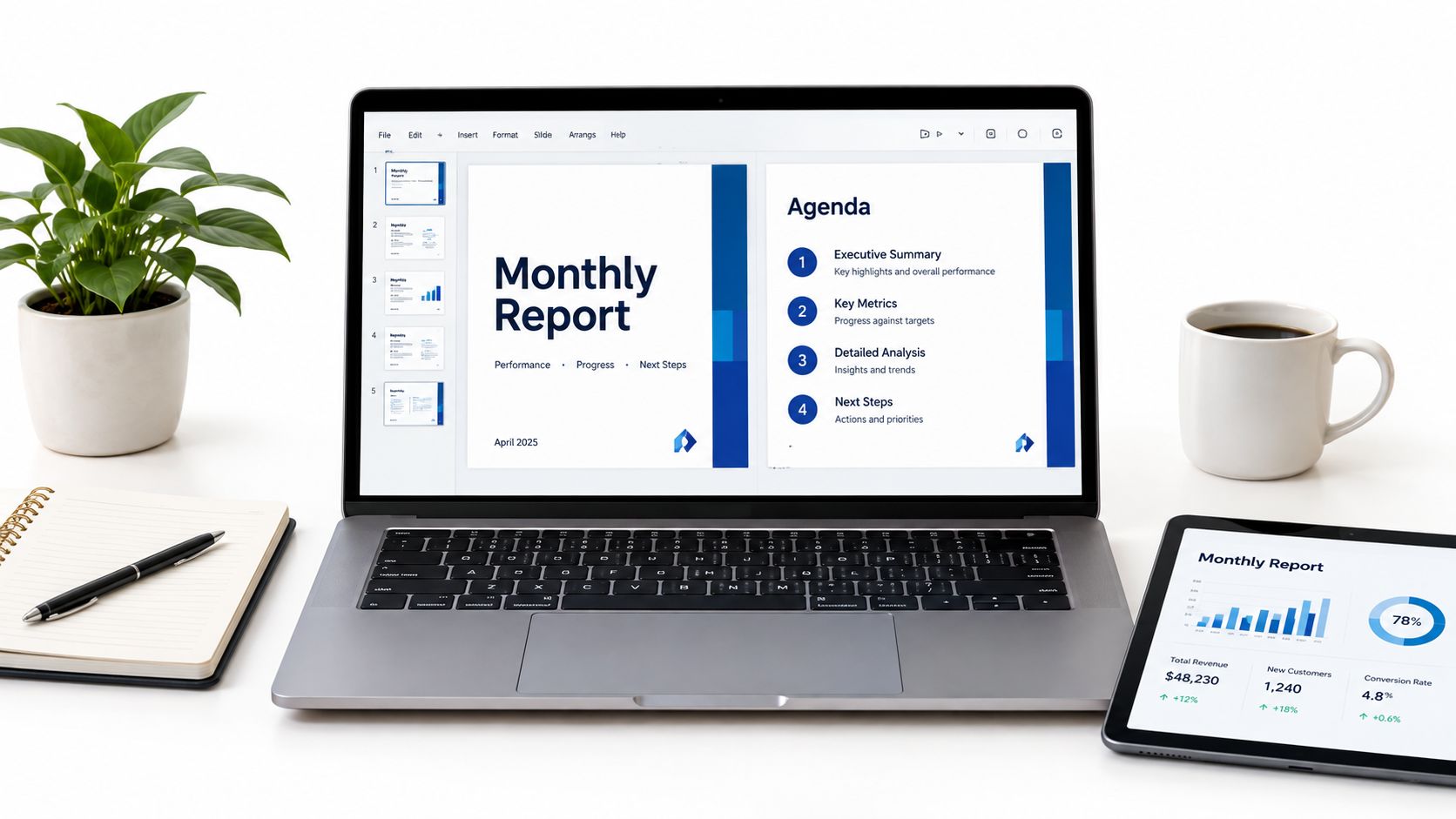
A typical day in this kind of role might look simple from the outside. In the morning, you confirm meetings in Google Calendar. Before lunch, you clean up an inbox, reply to routine client questions, and update a Notion board. Later, you send reminders on Slack, log notes after a Zoom call, and make sure nothing important gets dropped. You're not “just helping.” You're keeping the business moving.
That's why this field matters. Virtual assistant work can be an entry point into remote jobs, but it's also larger than many realize. Some roles stay close to classic admin support. Others move into customer support, sales support, marketing coordination, bookkeeping, or operations.
Introduction to Virtual Assistant Work for Remote Job Seekers
For many remote job seekers, the phrase virtual assistant creates more questions than answers. Is it basic admin work? Is it customer support? Is it a flexible freelance role, or a stable full-time job with a company abroad?

The short answer is that virtual assistant work usually means remote support delivered through digital tools. Instead of sitting in a physical office, you help a manager, founder, team, or business from your own location using calendars, email, messaging apps, cloud documents, and video calls. The work is practical, detail-heavy, and closely tied to how a company operates day to day.
Many people in Latin America and other remote talent markets already have transferable experience for this kind of role. If you've worked in reception, customer service, office administration, scheduling, sales support, or operations, you may already be closer than you think. The challenge is often not learning the idea of the role. It's learning how employers define it today.
Practical rule: Don't treat “virtual assistant” as one narrow job title. Treat it as a family of remote support roles.
That distinction matters because job postings often bundle several responsibilities together. One company may want inbox and calendar support. Another may need help with CRM updates, customer follow-up, and task coordination. Another may call the role a VA, but really mean junior operations support.
Candidates often get confused. They search for one title, but employers are hiring for several variations of the same remote function. Once you understand that, job descriptions become much easier to read.
The rest of this guide breaks the role down in plain language. You'll see what virtual assistant work looks like inside remote teams, what tasks and tools show up most often, how the title compares with similar office roles, and what hidden hiring filters matter most if you're applying from LATAM or other cross-border markets.
What Virtual Assistant Work Really Means in Remote Teams
A founder in Miami starts the day with a full calendar, unread emails, client follow-ups, and a team spread across three countries. Nothing is physically on fire, but small delays can pile up fast. Virtual assistant work exists to keep that kind of remote operation organized.
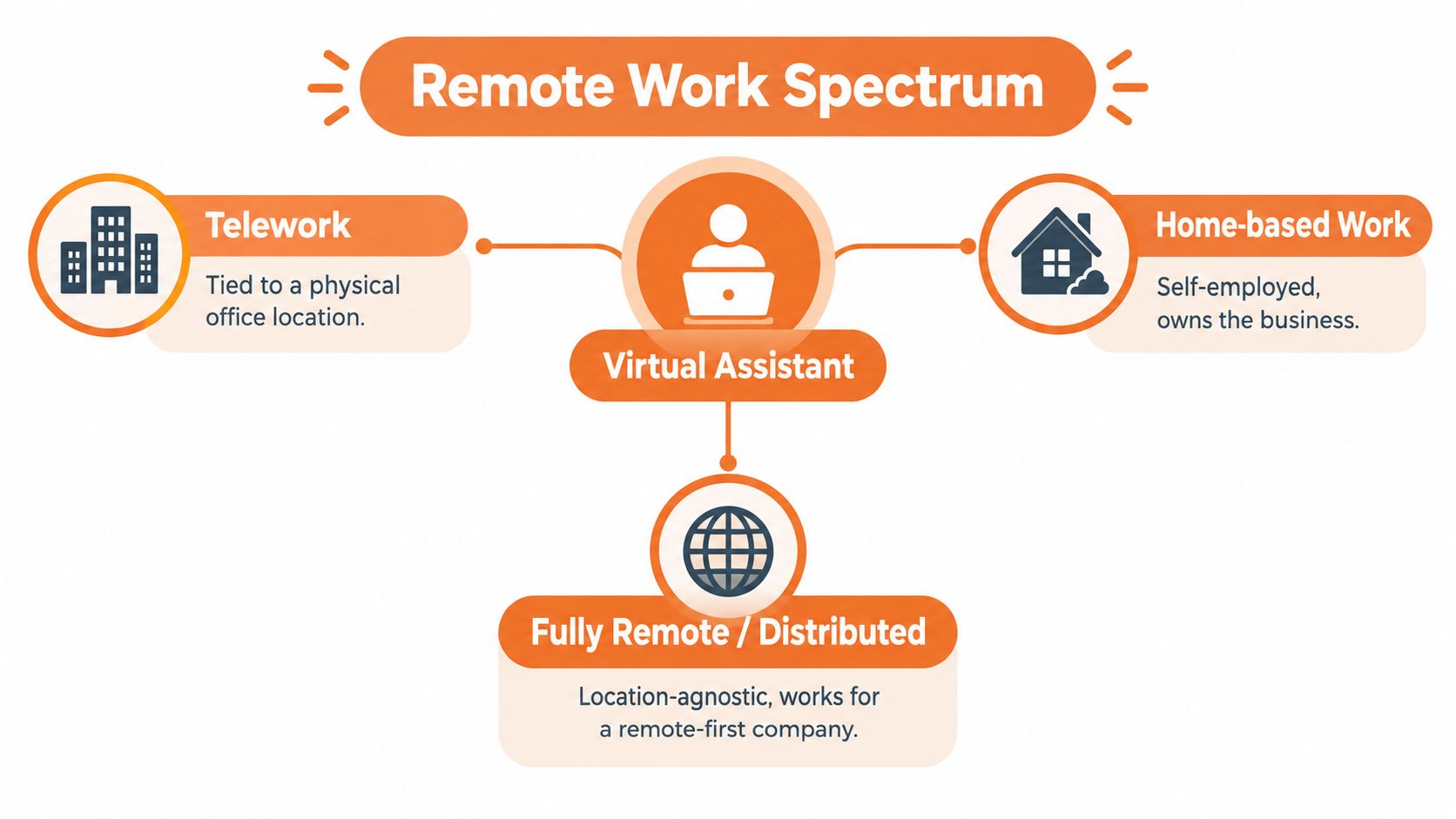
The role sits inside the broader category of remote work, but it has a clearer function than “working from home.” The International Labour Organization separates remote work from related arrangements such as telework and home-based work in its guidance on defining and measuring remote work. For job seekers, the useful takeaway is simple. A virtual assistant works through digital systems to keep work moving for a person, a department, or a small business.
Why the label matters
Many job seekers hear “virtual assistant” and picture one generic online helper. Remote teams usually use the title in a more practical way. It often means a support role attached to a business process: calendar control, inbox management, client coordination, CRM updates, travel booking, document handling, or follow-up after sales calls.
That is why “virtual assistant” is better understood as a cluster of remote career ladders, not one fixed job. One VA role is close to customer support. Another is closer to sales coordination. Another looks like junior operations support with an administrative title. The label stays the same, but the daily work can point in very different directions.
A simple office comparison helps here. In an in-person company, someone keeps the machine running. They confirm appointments, pass along missing details, update records, and make sure tasks do not get lost between people. In a remote company, the machine is digital. The VA often keeps that machine organized.
A virtual assistant often works like the coordination layer inside a remote team, keeping communication, schedules, and follow-ups from slipping.
How the role changed in remote hiring
Older descriptions reduce VA work to clerical tasks. That misses how companies hire now, especially across borders. Many employers use the title for structured support roles that sit close to operations, client service, or revenue support.
This matters a lot for professionals in Latin America. U.S. companies may post one simple title, but they often screen for two hidden filters before they even look closely at your experience. First, can you work at least part of U.S. business hours. Second, can you communicate in English well enough to handle fast-moving written instructions, client messages, and meetings.
Those filters shape the job itself. A role with heavy client contact is different from a role focused on back-office updates. A role supporting an executive in New York is different from a role helping an ecommerce team with order issues and spreadsheets. Both may be called VA jobs.
The market has grown with this shift. One market research estimate says the worldwide virtual assistant market reached USD 19.74 billion in 2025 and was projected to reach USD 111.14 billion by 2032, implying a 28.0% compound annual growth rate, according to this virtual assistant market research summary. Another estimate in the same source describes a related services market at USD 5.3 billion in 2025, projected to rise to USD 43.4 billion by 2035 at a 23.4% CAGR.
Here's a quick way to see the role in action before moving on to the practical side.
For LATAM applicants, the biggest shift in understanding is this. You are not applying to one universal VA job. You are choosing which remote support track fits your background, then showing employers you can do that work in their hours, their tools, and their working language.
Daily Tasks Tools and Skills Behind Virtual Assistant Work
A typical VA day can start with three very different requests waiting at once. A founder needs the calendar fixed before a client call. A team lead wants last week's numbers cleaned up in a spreadsheet. A customer has a simple question that still needs a clear, polite reply.
That mix is the job.
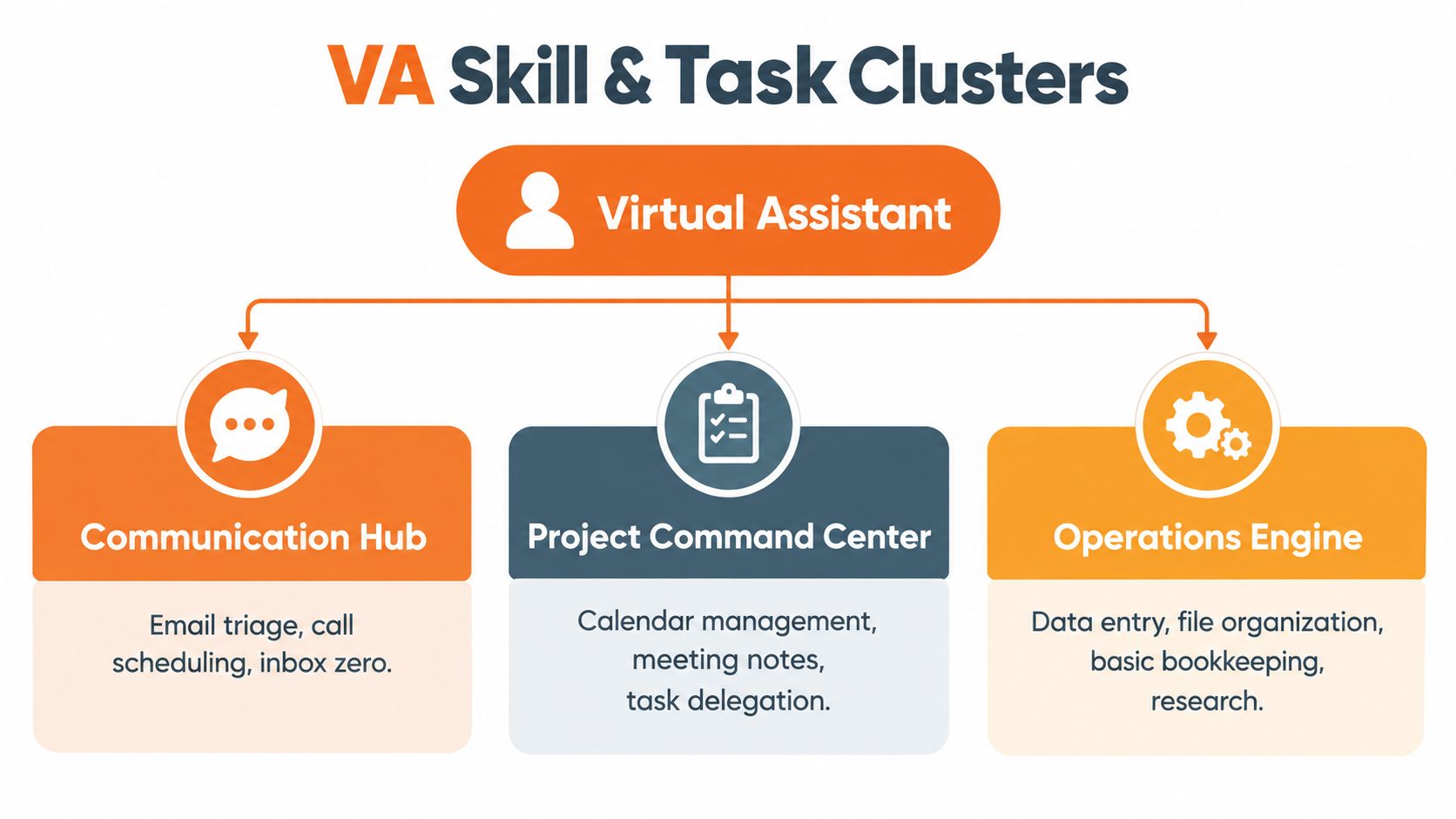
The title "virtual assistant" covers several kinds of daily work, not one fixed routine. It helps to picture the role as a set of support lanes. Some VAs stay close to communication. Others focus on operations, research, customer support, or light marketing coordination. That difference matters for LATAM applicants because your past experience may already match one lane better than another.
Communication and coordination
Many VA roles sit at the center of information flow. Employers often ask for help with email and phone handling, calendar management, appointment scheduling, and social media support, according to Indeed's virtual assistant job description guide.
On a normal day, that can include:
- Inbox triage: sorting urgent emails from routine ones, drafting replies, flagging follow-ups, and keeping threads easy to find
- Calendar management: booking meetings, preventing conflicts, adding links and notes, and checking that everyone has the right time
- Client communication: confirming appointments, sending reminders, and answering repeat questions through email or phone
This kind of work is similar to being an air traffic controller for small business operations. You are not flying the plane. You are helping everything land in the right place, at the right time, without confusion.
If you have worked in reception, customer service, sales support, or appointment setting, you may already have useful experience here.
Research and admin execution
Another lane is task execution. This is the part of the role where accuracy builds trust.
A VA may research vendors, update spreadsheets, organize files, prepare simple reports, make travel arrangements, or check whether records are complete. The tasks change by company, but the pattern stays the same. Someone needs reliable follow-through on work that keeps the business organized.
A simple way to understand this cluster is to compare it to maintaining a shared kitchen. If labels are missing, ingredients are in the wrong place, and no one knows what is running low, every meal takes longer. Remote teams work the same way. Clean files, correct records, and updated documents save time for everyone else.
Speed helps. Accuracy is what earns repeat responsibility.
If a manager has to re-check each detail you handle, the work is still sitting on their shoulders.
Tools employers actually mention
Virtual assistant work happens through software, so tools are part of the job itself. You do not need expert-level skill in every platform before you apply. You do need basic familiarity and the ability to learn fast.
LATAM-focused job posts often mention Google Workspace, Slack, Notion, Asana, Calendly, and Zoom. Many also ask for 4 to 6 hours of U.S. time-zone overlap.
These tools usually map to the work in a practical way:
- Google Workspace for email, documents, spreadsheets, calendars, and shared folders
- Slack for internal messages, quick updates, and team check-ins
- Notion for notes, processes, and internal knowledge
- Asana for task tracking, deadlines, and project follow-up
- Calendly for scheduling without long email chains
- Zoom for meetings, client calls, and team communication
Some roles stretch beyond admin support and touch marketing coordination too. If that path interests you, this guide to social media manager marketing roles shows where content support and VA work can overlap.
The skills behind the tools
Software is the visible part of the job. Work habits are what make a remote assistant dependable.
Hiring teams often look for clear written English, organized follow-through, responsiveness, time management, and calm communication when priorities shift. In remote work, these skills show up in small moments. Did you confirm the task? Did you ask a useful question early? Did you deliver the file in the right format? Did you notice a scheduling conflict before it became a problem?
That is why virtual assistant work is better understood as a cluster of remote career ladders. One person may grow into executive support. Another may move toward operations coordination, customer support, or marketing admin. The daily tasks are the training ground.
Virtual Assistant vs Executive Assistant and Administrative Assistant
These titles overlap enough to confuse almost everyone at first.
Some companies use them carefully. Others use them loosely. That's why it helps to compare them by scope, who they support, and how much independent judgment the role usually requires.
The fast distinction
A virtual assistant is defined more by work setup than by one fixed level of seniority. It's remote, digitally mediated support. The actual scope can range from general admin to operations, customer support, sales support, or light project coordination.
An executive assistant usually supports a senior leader more directly. The work often includes higher-stakes scheduling, sensitive communication, meeting preparation, and judgment calls around priorities. If you're aiming for that path, it can help to find EA cover letter templates so you can see how stronger candidates present executive-level support experience.
An administrative assistant is often closer to traditional office support. The role may still include many of the same core tasks, but it's commonly tied to an in-office or office-centered environment.
Virtual Assistant vs Executive Assistant vs Administrative Assistant
| Role | Primary Focus | Work Setup | Typical Scope |
|---|---|---|---|
| Virtual Assistant | Remote support for individuals, teams, or business functions | Remote and tool-based | Scheduling, inboxes, coordination, customer support, CRM updates, research, admin operations |
| Executive Assistant | High-level support for a senior executive | Often remote or hybrid, depending on company | Executive calendar, confidential communication, meeting prep, travel, follow-up, prioritization |
| Administrative Assistant | General office and departmental support | Often office-based or tied to one location | Front-office tasks, filing, scheduling, internal admin, document support |
Why virtual assistant work is now a cluster of roles
This is the part many generic guides miss. “Virtual assistant” no longer points to one narrow lane.
Current job descriptions increasingly bundle VA work into customer support, sales support, marketing ops, bookkeeping, CRM hygiene, and light project coordination. Recent market coverage also suggests specialization matters. One 2025 industry report pegs average VA earnings around $45,000 annually, while another 2025 statistics page says U.S.-based VA hourly rates reached $38.60, as summarized in Indeed's career guide on what a virtual assistant is. The takeaway isn't that every candidate will earn the same. It's that niche skills can shift you into a higher-value version of the role.
If your strengths lean toward pipeline updates, lead follow-up, and CRM maintenance, you may also want to read about the duties of a sales assistant. That path often overlaps with specialized VA work.
Schedules Time Zones and English Expectations for LATAM Roles
You apply for a remote virtual assistant role on Monday. Your experience fits. Your tools fit. Then the interview message asks two simple questions: “Can you work U.S. business hours?” and “How comfortable are you speaking English with clients?”
For many LATAM candidates, those are filters.
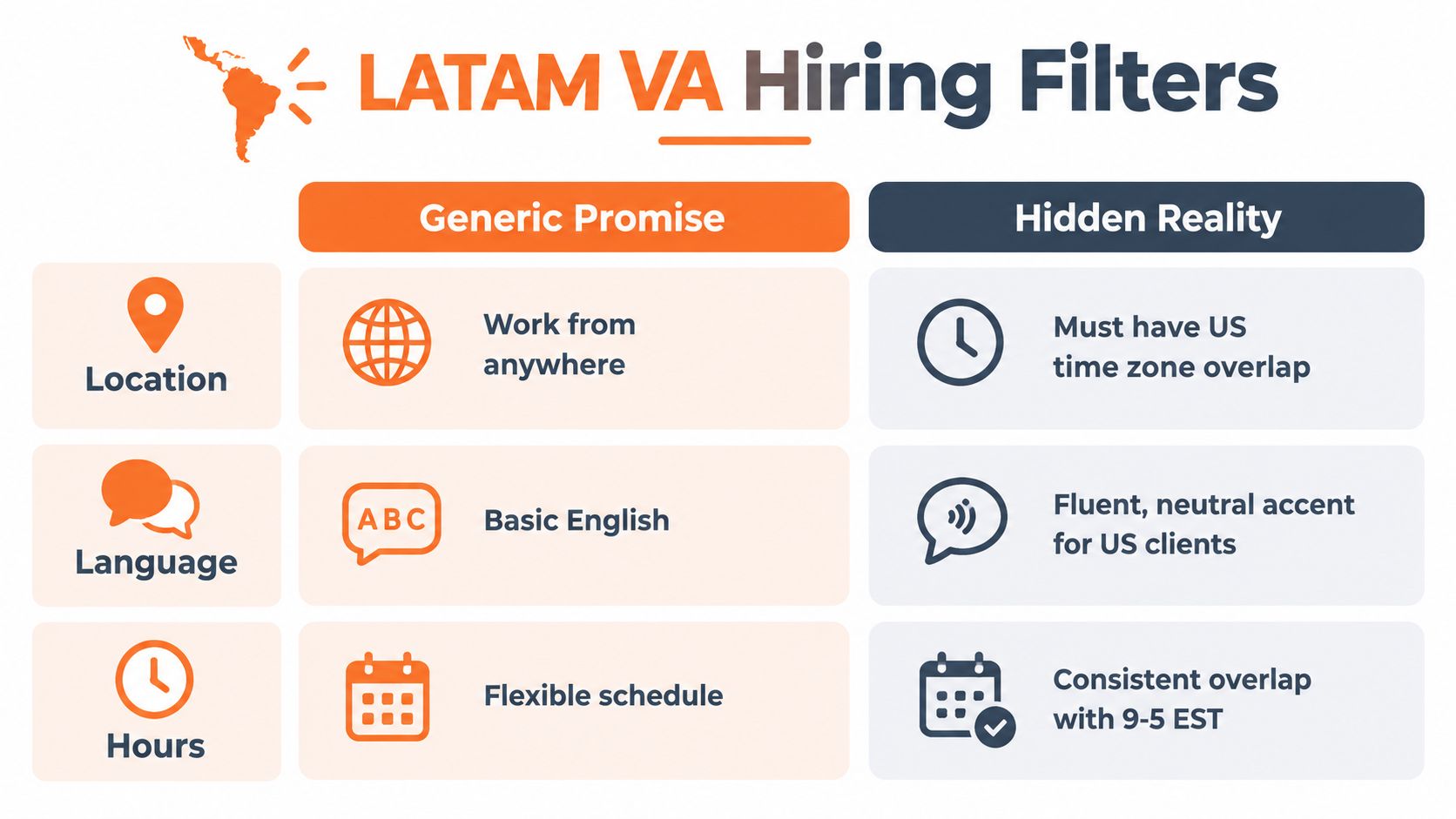
A lot of generic advice treats virtual assistant work like one flexible remote job. In practice, it works more like a group of remote support paths. Some paths are async and task-based. Others depend on live coordination with founders, sales teams, or customers. That difference shapes who gets hired.
Time overlap is often part of the job design
A simple way to read this is to ask, “Does the company need me live, or just reliable?”
If the role centers on inbox cleanup, file organization, research, or updating records, the employer may care less about your exact hours. If the role includes calendar management, customer support, sales follow-up, meeting prep, or same-day coordination, schedule overlap usually matters more. VA Tool Stack's guide to remote virtual assistant jobs notes that employers often expect some overlap with client business hours.
For LATAM applicants, this hidden filter shows up in familiar phrases:
- “EST hours”
- “CST overlap”
- “U.S. business hours”
- “Available during client hours”
“Flexible schedule” can still mean fixed overlap. The company may be open to your location while expecting you to be online when the team is making decisions, answering clients, or handing off work in real time.
A good analogy is customer service at a front desk versus document filing in a back office. Both are support work. Only one depends on being present exactly when people arrive.
English expectations are usually practical
English requirements can also feel confusing because job posts rarely explain what “advanced English” means in daily work.
For virtual assistant roles, employers are usually checking whether you can keep work moving without repeated clarification. Can you write a clear email, understand a Slack message, join a Zoom call, take notes, confirm next steps, and ask a useful follow-up question? That is the standard many teams care about.
Perfect grammar is not the point.
Clear, professional communication is the point. If you want a grounded picture of the habits U.S. teams often expect in meetings, feedback, and day-to-day communication, Intonetic's workplace culture insights offer a useful reference.
Why these filters matter for career choice
The “virtual assistant” label can mislead people. A scheduling-heavy role with live client contact asks for one type of readiness. A back-office operations role asks for another. Both may carry the same title, but they sit on different career ladders.
That is good news if you are planning your next move carefully.
If your English is still growing, you may be a stronger fit for roles with less phone time and more written, process-based work. If you can handle live calls and U.S. hours, you can usually apply to a wider set of specialized roles. The key is to read the posting like an operations map, not just a title.
How to Present Yourself for Virtual Assistant Roles on Virtustant
Many qualified candidates undersell themselves because they describe past work too narrowly.
If your CV says only “administrative assistant” or “customer support representative,” a hiring team may miss the remote-ready parts of your experience. Your job is to translate what you've done into the language employers use when they hire for distributed support roles.
Rewrite your experience around outcomes and tools
Start with your actual responsibilities. Did you manage calendars, respond to customers, prepare reports, update spreadsheets, coordinate meetings, handle inboxes, or follow up on tasks? Put those near the top of your role descriptions.
Then add the tools. If you've used Google Workspace, Excel, Slack, Zoom, CRM systems, ticketing tools, Notion, or project boards, name them directly. A hiring manager scanning applications wants fast evidence that you can work inside modern workflows.
A stronger bullet usually sounds like this in plain terms:
- Weak version: Helped with office tasks
- Better version: Managed calendars, scheduled appointments, tracked follow-ups, and handled client communication through email and Zoom
Make your remote-readiness easy to spot
Cross-border hiring teams don't want to guess whether you can work their schedule or communicate at the level they need. Put the answer in front of them.
Include details such as:
- Your English level: Be honest and specific about written and spoken confidence.
- Your availability: Mention whether you can overlap with U.S. business hours.
- Your setup: Stable internet, quiet workspace, and comfort with video meetings matter in many roles.
- Your function: Clarify whether you fit general admin, customer support, sales support, bookkeeping support, or operations coordination best.
This is also where a structured remote job platform can help. Virtustant Jobs connects candidates with remote openings and allows applicants to create a profile at the talent page and review current roles through the openings page. For candidates, that makes it easier to present the same core information in a consistent format.
Prepare for interviews like a remote operator
Remote interviews for VA roles often test something simple. Can this person reduce friction for the team?
That means you should prepare examples that show reliability. Be ready to explain how you organize tasks, handle shifting priorities, communicate delays early, and learn unfamiliar software. If your background is in a local office or customer-facing setting, connect it directly to remote execution.
Don't answer like a generic assistant candidate. Answer like someone who keeps distributed work organized.
A good final check is this: if someone reads your profile quickly, will they understand what kind of support you provide, which tools you know, and when you're available? If not, revise until those answers are obvious.
Your Next Steps Toward a Remote Virtual Assistant Career
Virtual assistant work makes more sense when you stop treating it as one small admin title.
It's a cluster of remote support paths. Some roles focus on scheduling, inboxes, and coordination. Others move into customer support, sales support, bookkeeping help, marketing operations, or broader business support. That's good news for job seekers, because it means you don't need one perfect background to qualify. You need relevant tasks, tool fluency, and a clear way to present them.
For LATAM candidates especially, success often depends on the filters generic career advice skips. Schedule overlap matters. English matters. Software comfort matters. So does your ability to show that you can work reliably without in-person supervision.
If you want to keep learning how remote roles are described and what hiring teams look for, the wider Virtustant blog is a useful next stop. It can help you connect this role to nearby paths in sales, support, marketing, and operations.
The practical next step is straightforward. Clean up your CV. List your tools clearly. State your English level and availability. Then start applying to roles that match how you work, not just titles that sound familiar.
A remote VA career usually begins with one clear signal to employers: this person can keep things organized, communicate well, and be trusted with the details.
If you're ready to turn that signal into applications, Virtustant Jobs gives you a place to create your profile, browse remote openings, and complete your application information for future matches. If virtual assistant work fits your background, it's a practical starting point for finding cross-border remote roles that value organization, communication, and consistency.